
Evolving Landscapes, Evolving Communities: Growing Towards Seven Years of Stewardship
A central focus of the Vesper Meadow Education Program is, of course, education! Land stewardship and the human-nature connection would never evolve without the process of acquiring and transforming knowledge, skills, values, and habits. We support education through hands-on learning in the field, engagement with our Fire Ecology & the Human Relationship curriculum, community workshops, and expanding our perceptions and thoughts about the world - a critical step to changing our actions and behavior towards land and each other.
Four key aspects of education are critical thinking, creativity, collaboration, and community, all skills we both value and share in our community-driven work. Before we peek ahead of 2026, we will take a brief look through the evolution of our six years of community-based programming that our seventh year is building on:
2019: Vesper Meadow is founded! Program Director Jeanine Moy gathered scientists with various specialties to identify species and observe the life cycles at Vesper Meadow Restoration Preserve. Our first community volunteer event was seed collecting, and a big win that came of our first field season was our comprehensive plant list. Jeanine also facilitated the first Tribal visit, led by Siletz Tribal Member Agnes Baker Pilgrim, and we hosted the first 200 youth for hands-on learning in the field.
2020: We created our Bumblebee Guide and hosted our first Native Fellowship. We debuted Vesper Meadow Tea and Honey, and documented the state of Latgawa Creek prior to the creek restoration that would follow. This was also the year we merged with The Understory Initiative.
2021: Our first iconic mural on the barn was completed by local artist Gabriel Barrera. We had our debut videos on YouTube thanks to Brian Grier, our Education Coordinator, and hosted two Artist-in-Partnerships and one Artist-in-Residence.
2022: Stasie Maxwell came on board to fulfill the role of Indigenous Partnerships Program Manager. This was also the year we began installing our Post-Assisted Log Structures in Latgawa Creek. Other notable events included hosting an Art Show, completing the Vesper Meadow Stage, and launching a partnership on cultural fire with the Traditional Ecological Inquiry Program.
2023: The hottest moment of the year was when we got to release our Fire Ecology and the Human Relationship Curriculum. We hosted another Vesper Meadow Intern, debuted our first Vesper Meadow Calendar, hosted our first concert on the Vesper Meadow stage, and hosted an art installation during Art Beyond, a project of Schneider Art Museum.
2024: This was the inaugural year of our Healing Landscapes Program. We mentored our first Healing Landscapes Intern and held our first Best Practices workshop geared towards respectfully cultivating partnerships with Indigenous communities. For restoration milestones, we reached over 5 acres of restored native plant gardens around our barn area.
2025: Our biggest news was the reintroduction of a beaver family! We shared five years of hyrdology monitoring data, deepened partnerships with BIPOC community partners, partnered with Coalicion Fortaleza for Camas y Comunidad, and supported the Indigenous Gardens Network in their biannual Acorn Camp.
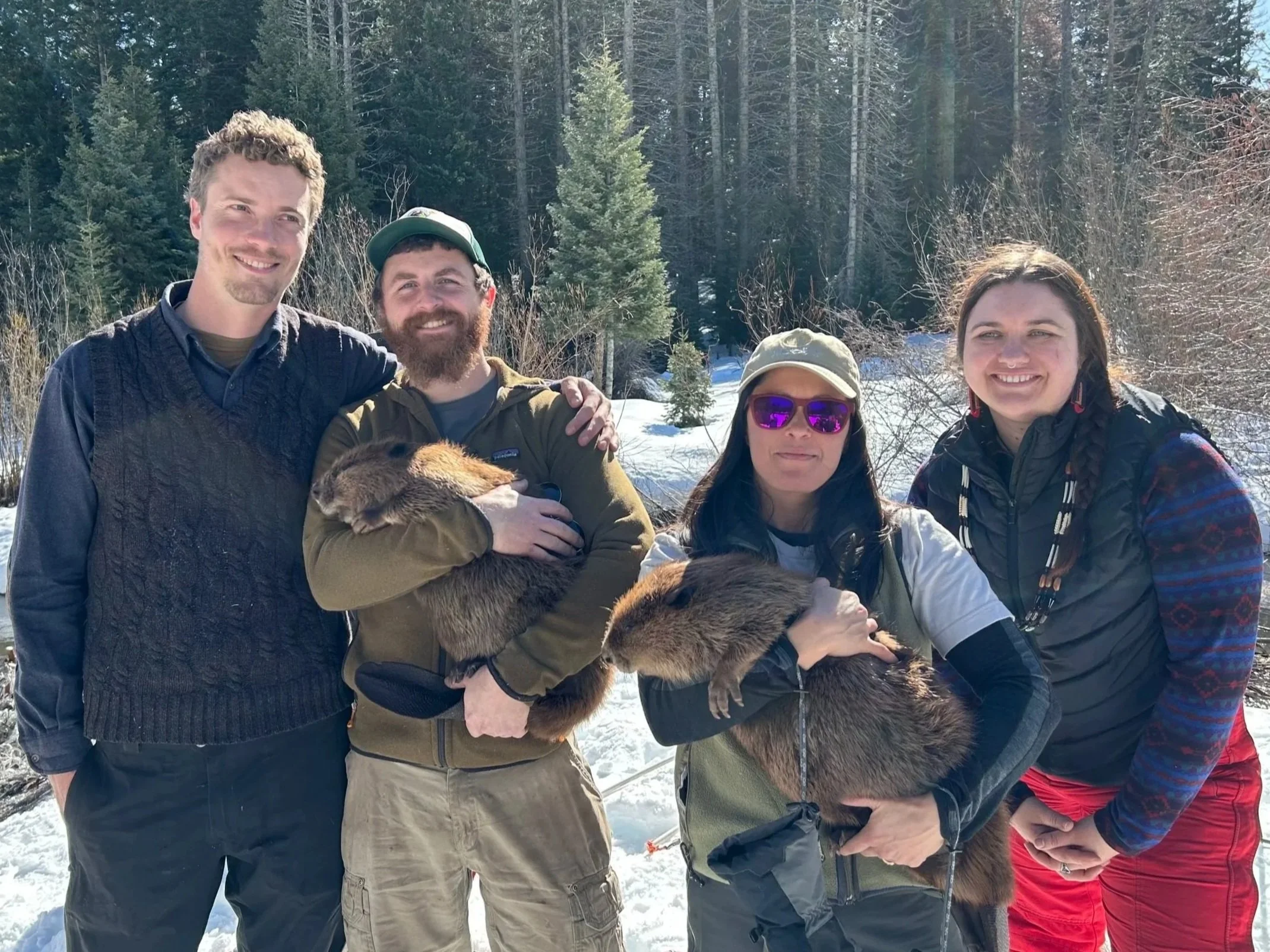
Jakob Shockey, Daniel Collay, Jeanine Moy, and Jordan Bruyn-Fry during the beaver family relocation.
What we be bringing to the community in 2026:
Creativity:
~To start the year off with art, in January, we will host our Art for What Comes Next Event led by artists Gabriel Barrera, Sarah Burns, and Kelly Aston Todd.
~2026 will also see the completion of our cabin! By the time the camas starts blooming in the meadow, we will be hosting artists-in-residence and Tribal partners. From a composting toilet to the Vesper Meadow stage to our cabin, we have added critical infrastructure to host community members at the meadow!
Critical Thinking:
~Land Back: Following on the heels of creativity, we will be engaging in deeper critical thinking on the topic of land justice. Building on our Best Practices workshops and endeavors to center Tribal partners, we are hosting a panel discussion in February with Tribal partners, with the purpose being to educate landowners, conservation partners, and the general public on what the Land Back movement is and how you can meaningfully engage in land justice for Tribal communities.
~Strategic Planning: We are excited to draw on the wisdom of the community, our Tribal partners, and our Vesper Meadow Advisory Council to develop and publish a 3-year strategic plan. Our programs span art, science, education, and Tribal partnership; we look forward to valuable insight and intentional goal-setting to support the ongoing process of refining our programs!
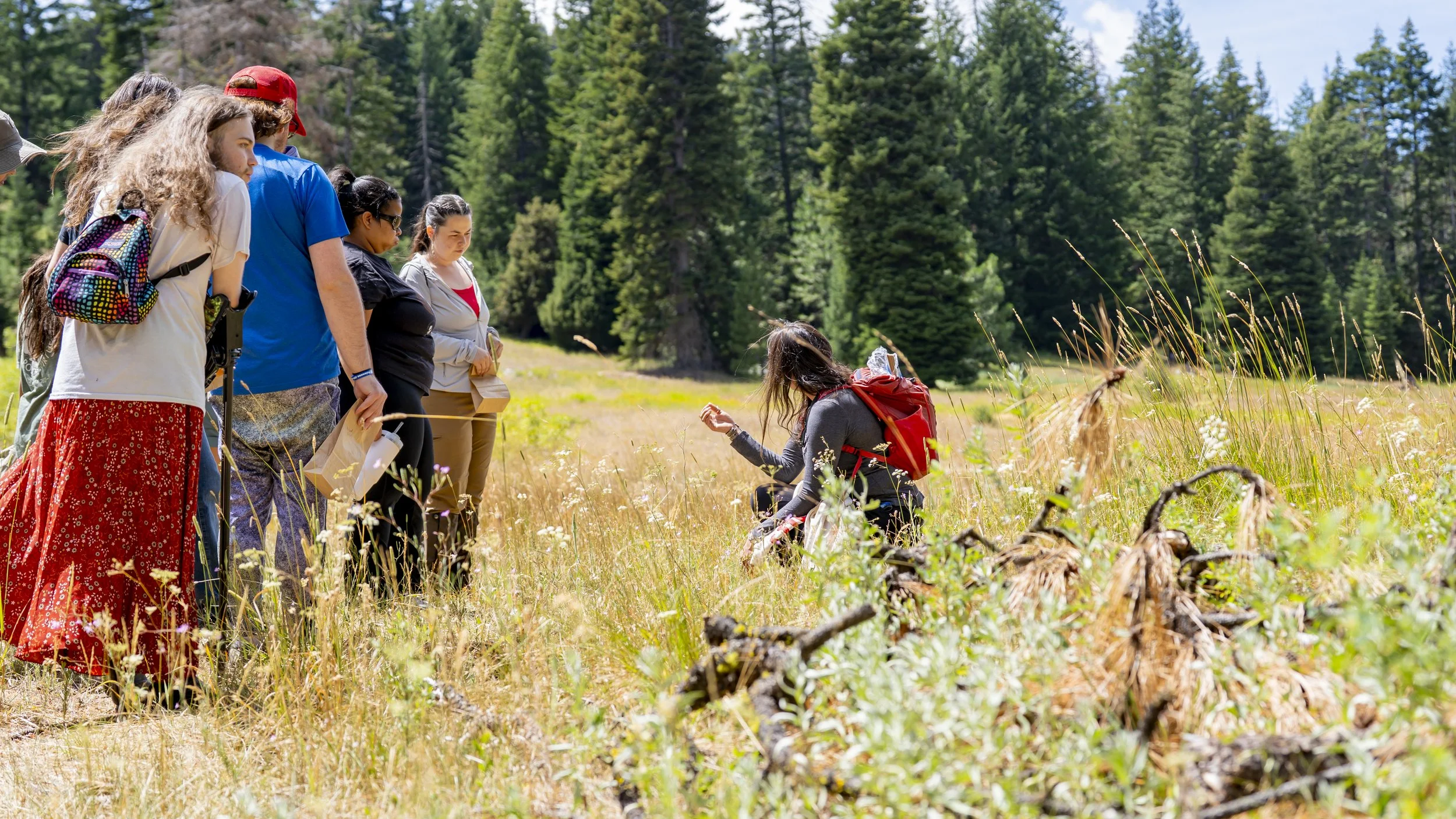
Interns from Rogue Action Center learn about Native Plants in the Upper Meadow
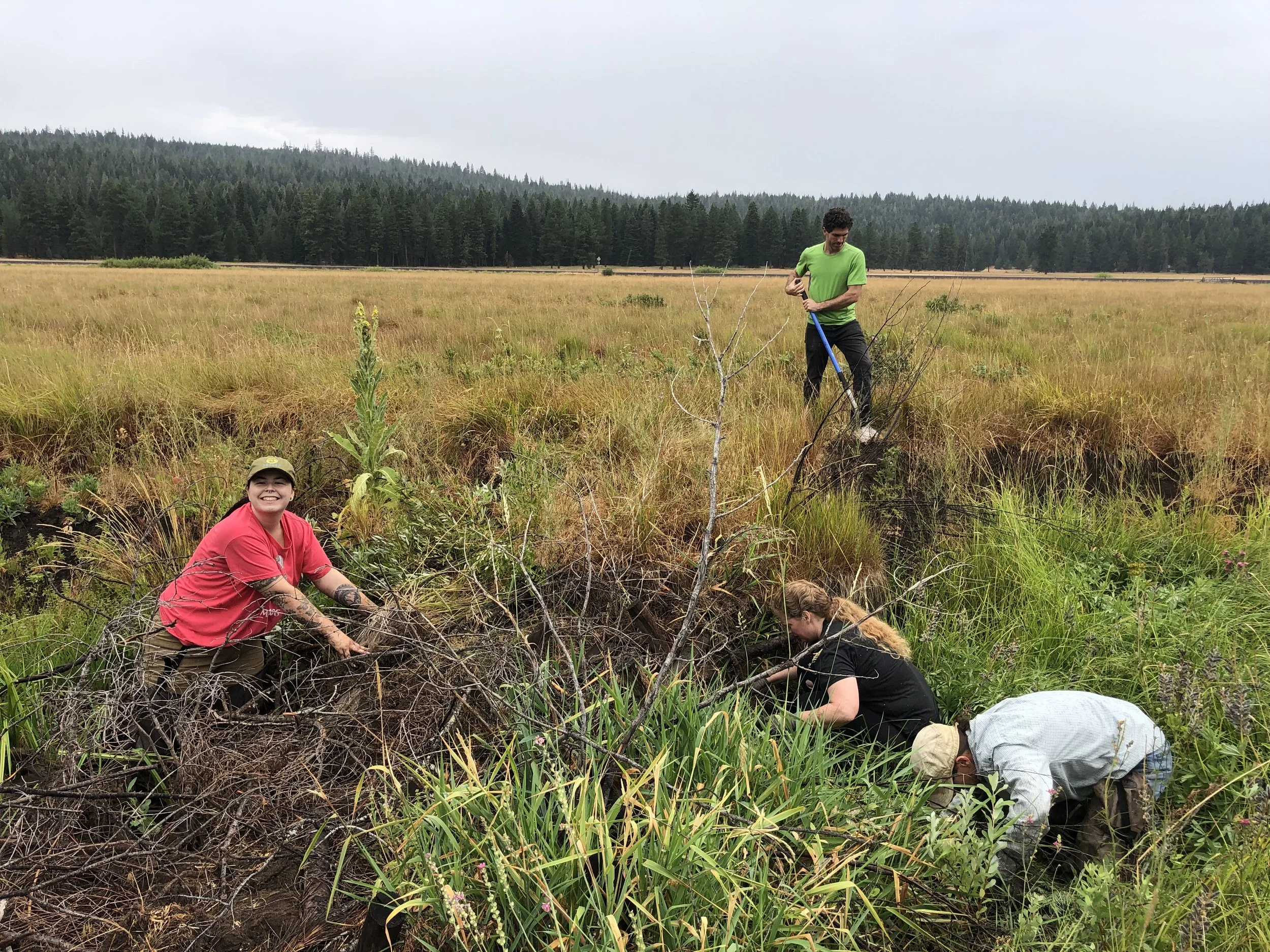
Creek Restoration with Red Earth Descendants
Thank you to our supporters who make this work possible:
Meyer Memorial Trust
Oregon State University Extension Service
Oregon Department of Education
Roundhouse Foundation
Drinking Water Providers Partnership
The Freshwater Trust
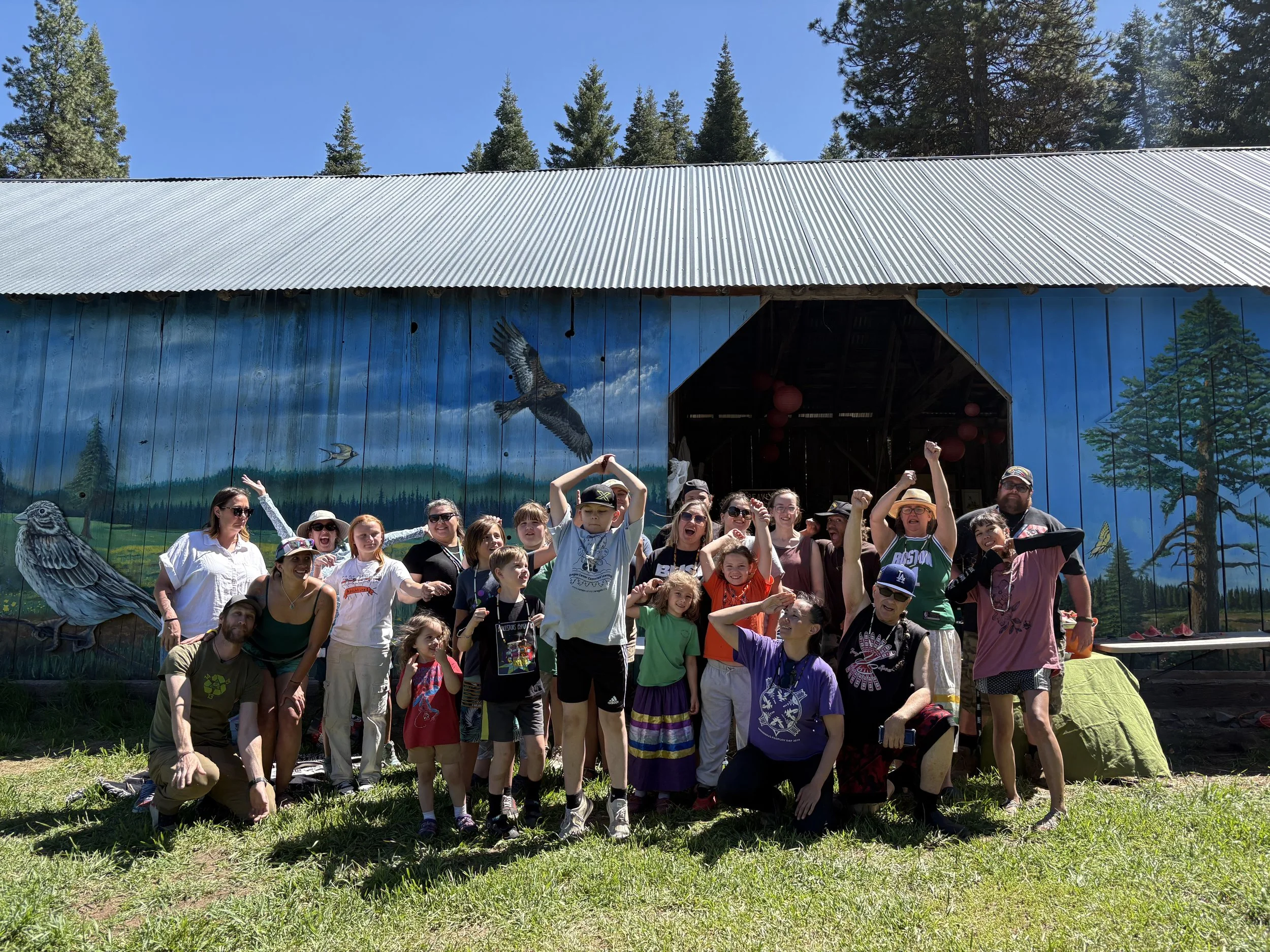
Native youth at Native Games hosted by Southern Oregon Indian Education Program
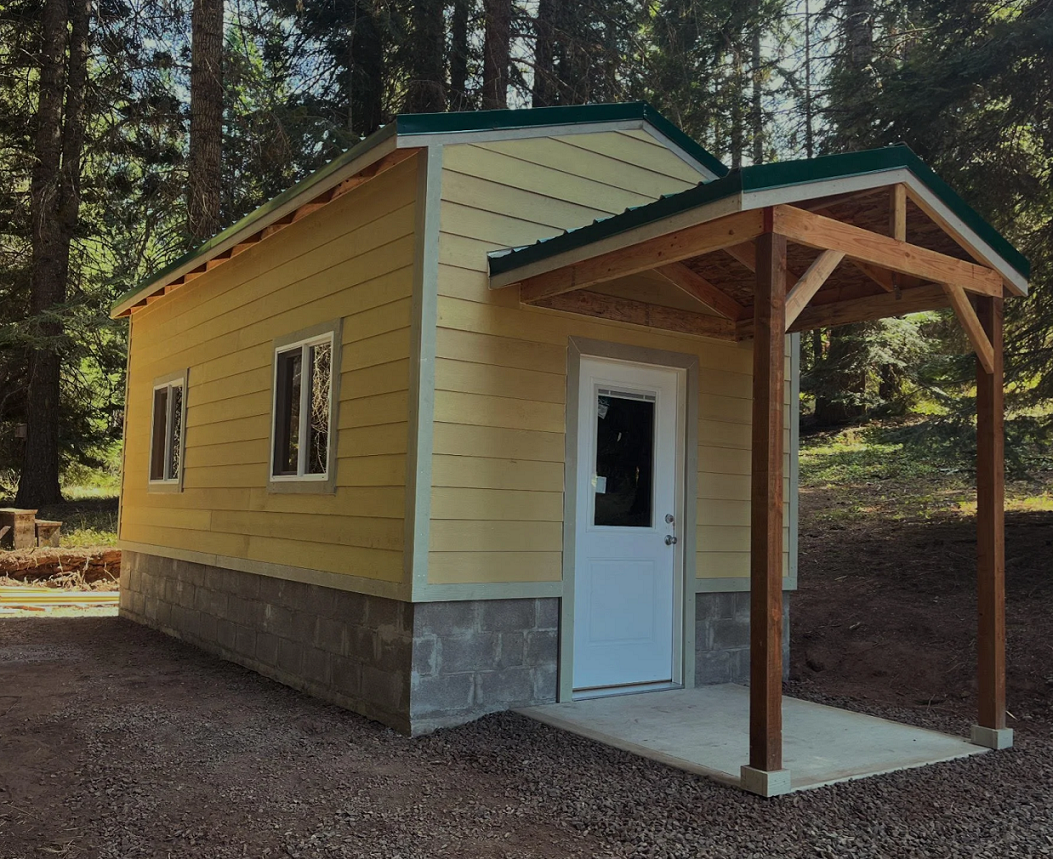
Our cabin will feature a sleeping loft, views of the forest and meadow, and a woodstove.
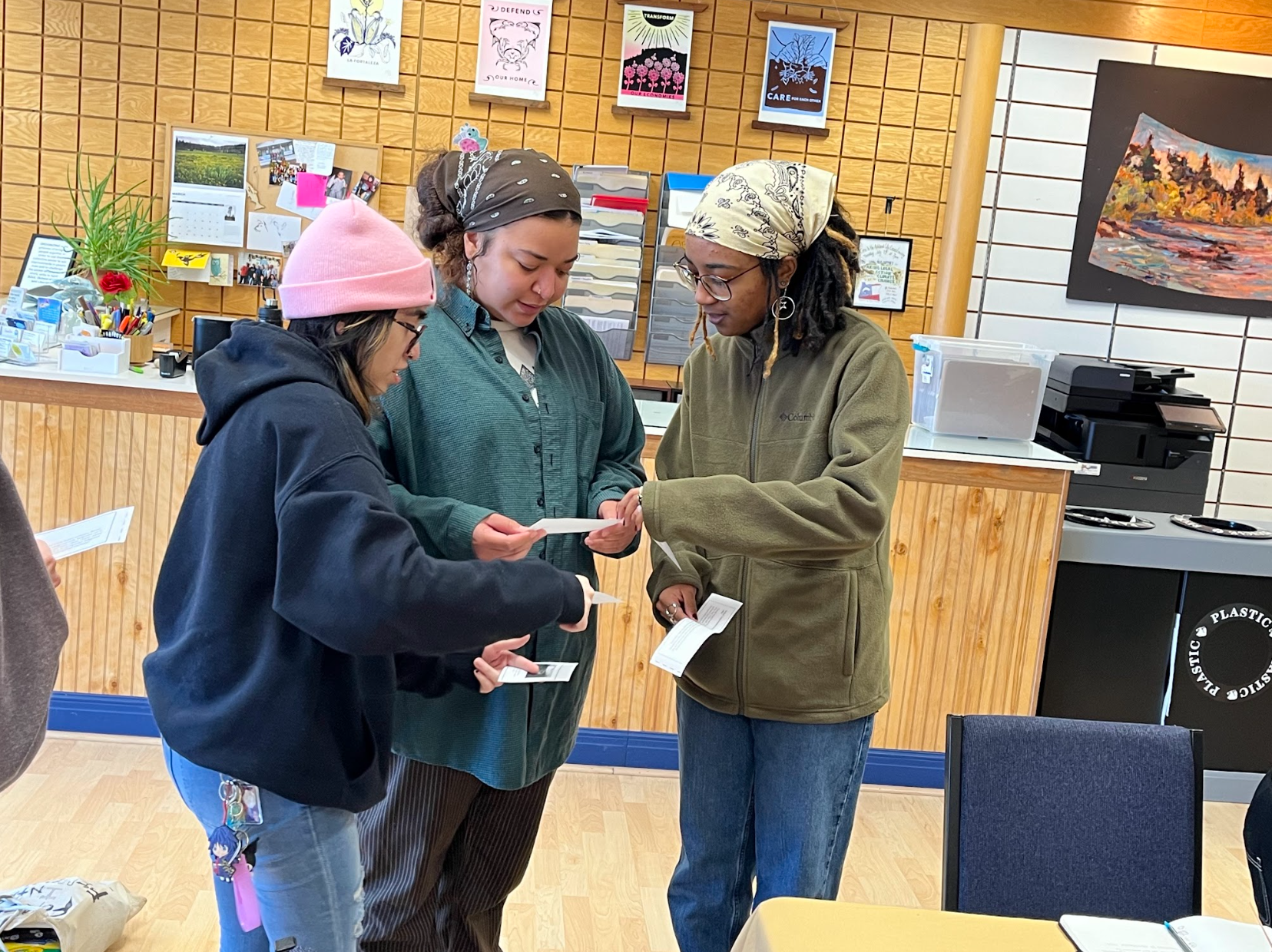
Collaboration:
~In 2026, we will be mentoring a Bridging Fire and Culture Fellow, thanks to support from the Oregon State University Extension Service. We are excited to have the opportunity to extend our creative and educational programs to youth and families by providing bilingual hikes and events.
Community:
~Our second year of partnership with The Crest at Willow Witt! Providing youth with hands-on science and diverse ways of thinking is foundational for our future decision makers and land stewards. This winter, we will be making classroom visits in advance of the field season. We will be sharing the science and story of Vesper Meadow and provide youth with an initial connection to our work through visual presentations, class discussions, and lessons from our Fire Ecology and the Human Relationship curriculum.
~We will be hosting several events for BIPOC and Tribal communities, including a camp-out at the meadow for BIPOC leaders, mentoring Native youth with representatives from our partners at Nvn-nes-’a Land Trust and the Indigenous Gardens Network, a Curandera Gathering Day for native plants, and the 2nd biannual Camas Camp with the Indigenous Gardens Network.