2025 Year End Review
Lessons from 6 year of restoration and renewing relationships
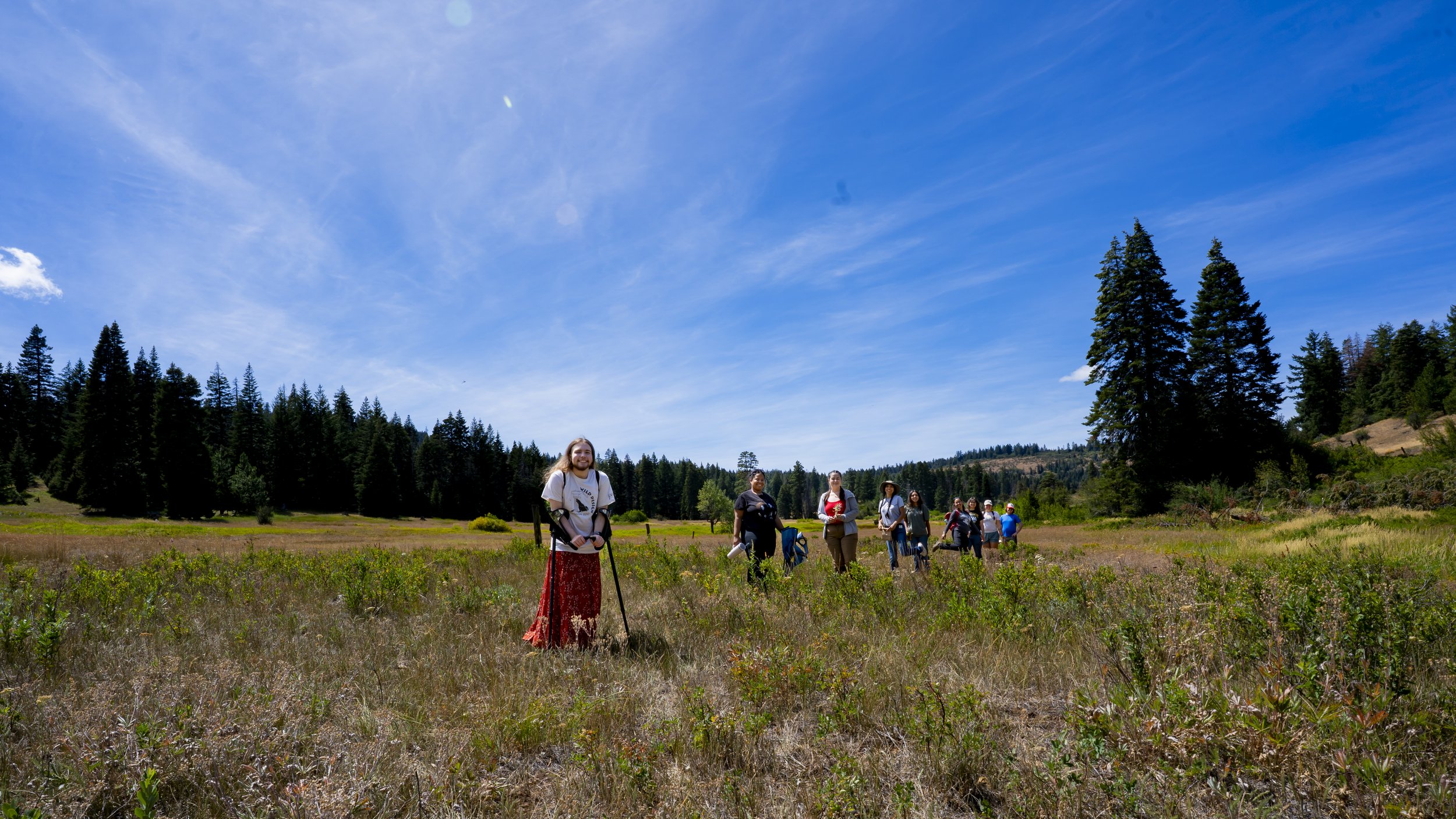
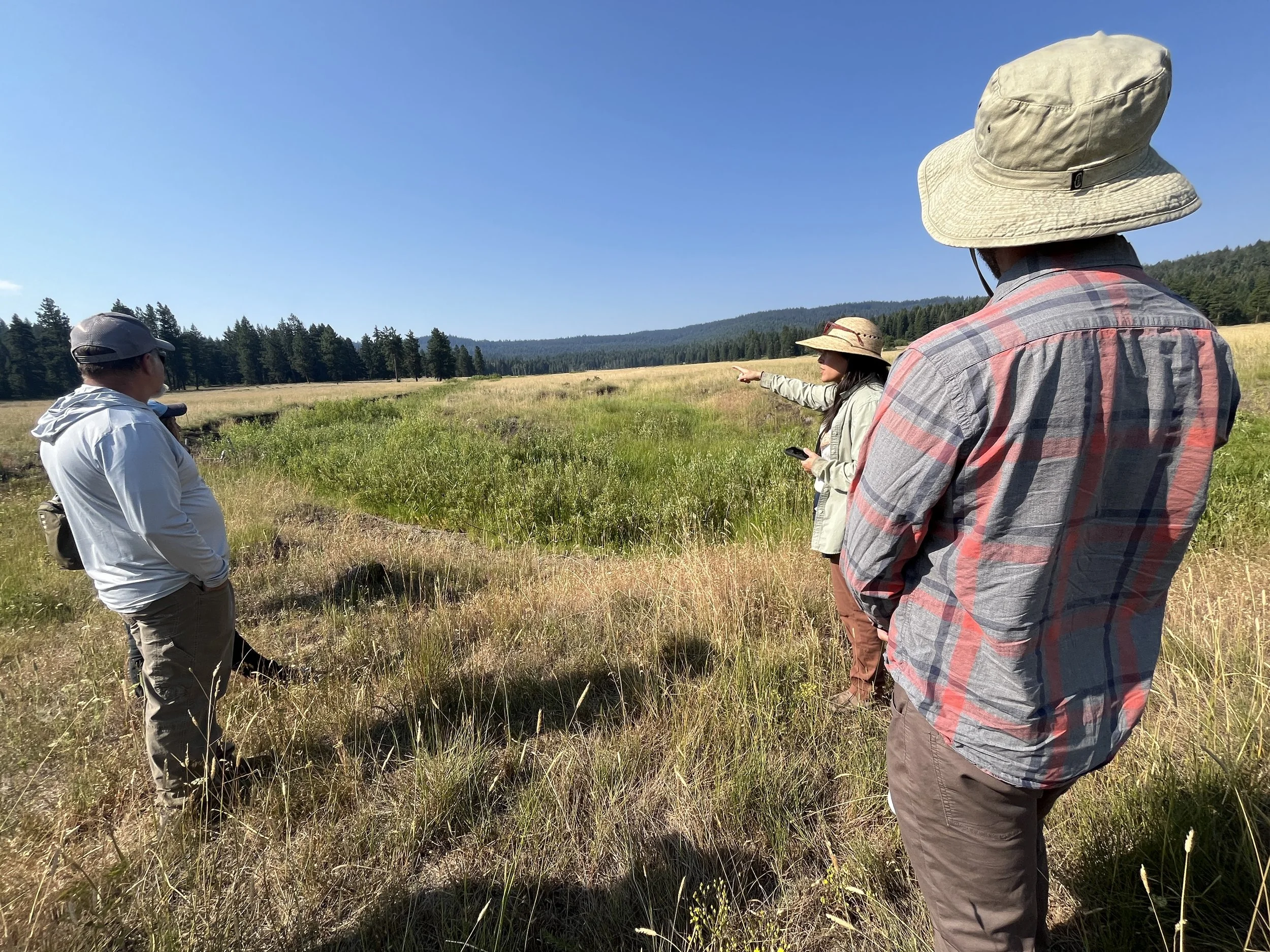
Nestled in the high-elevation meadows of southern Oregon Cascade-Siskiyou range, Vesper Meadow is more than just a beautiful place — it’s a living laboratory of ecological restoration, a demonstration site where we can experience mutual healing of the land and our communities, a rare rural haven for anyone, including our most vulnerable community members, are welcome
In 2025, we continued the growth of our programs and partnerships, and walked further with the people and ideas that we support… We embarked on a number of meaningful actions and events that advanced habitat restoration, strengthened community networks, and deepened the human-land relationship.
Why Land Justice matters to restoration
Over the last decade, the meadow and surrounding wetlands have carried the legacy of past land uses — non-native pasture grasses, disrupted hydrology, invasive species — and thus host early-successional and remnant plant communities struggling to hold on to the rich connections of the pre-settler landscape. Vesper Meadow’s work focuses on shifting those legacies toward more resilient native meadow systems: supporting pollinators, restoring connectivity for wildlife, reviving indigenous plant communities, and nurturing a deeper sense of place among people. All of these goals necessitate deep and meaningful relationships.
It was early on in our journey of land restoration, where we were introduced to the concept of how inextricably linked native land stewards are with the state of the land….meaning that with the forced removal of Indigenous peoples in the mid 1800’s there were direct negative impacts to the land through the disruption of this long-standing relationship between humans and the land. And of course, many subsequent impacts to the land happened in a very short time that followed. At Vesper Meadow, we continually work to reduce the settler harm to the landscape: removing barbed wire and other trash, replacing invasive pasture grasses with diverse native plants, healing the down-cut creek bed… and we also work to grow a new vision of a thriving ecosystem and human community, blending diverse perspectives of western science, art, education, movement-building, and Indigenous worldview.
“Ecological restoration is synonymous with Indigenous cultural revival”
Bridging gaps in conservation through integrating multiple disciplines and diverse cultural perspectives.
What’s especially powerful about these efforts is how they combine ecological science (seed collections, hydrology, species-specific habitat) with cultural and community engagement (volunteers, artists, tribes). This is “restoration as community building.” This past year, 2025 was a landmark year in which we fulfilled the original vision set forth at our founding in 2018 - to create a truly interdisciplinary hub that unites diverse communities and perspectives to demonstrate community-powered restoration. We want to extend a big thanks to all the supporters, volunteers, partners who make this vision come true.
See a brief run-down of some of our
2025 Highlights
🌿 Bringing together community for Restoration in Action
Together with our volunteers and community partner organizations, we built on years of momentum to bring new life to the Little Butte Creek headwaters.
Community members and students spent 800 hours weeding and collecting native seed, planting five acres with native plants, removing barbed wire fencing, helping restore diverse wet meadow and upland habitats. A total of 90 beaver-inspired restoration structures now slow, spread, and store precious water.
Our team completed five years of hydrologic and vegetation monitoring, a major scientific benchmark that helps us understand how water, plants, and wildlife respond to restoration. Thanks to support from the Oregon Watershed Enhancement Board
🦋 Demonstrating big steps for Wildlife & Habitat
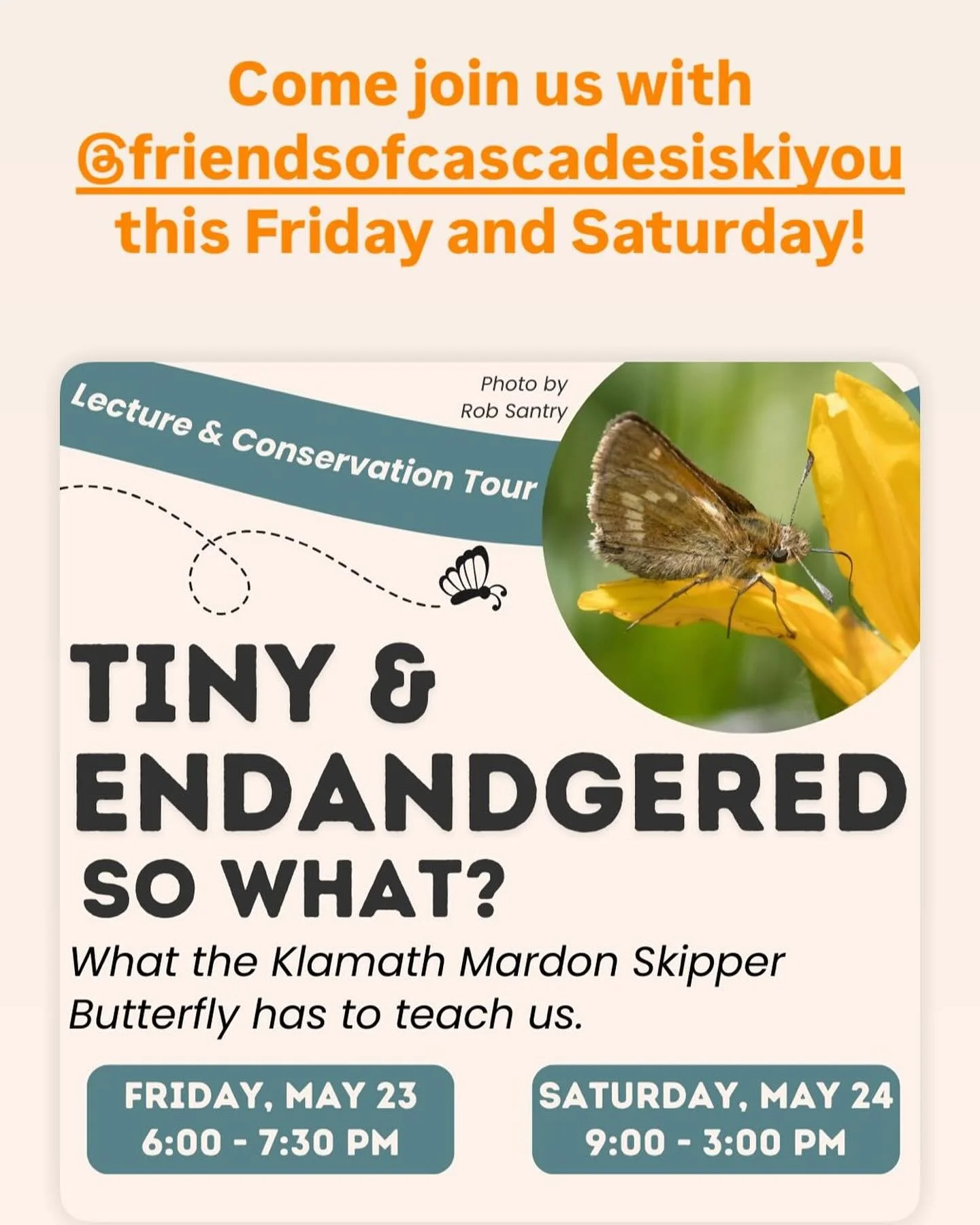
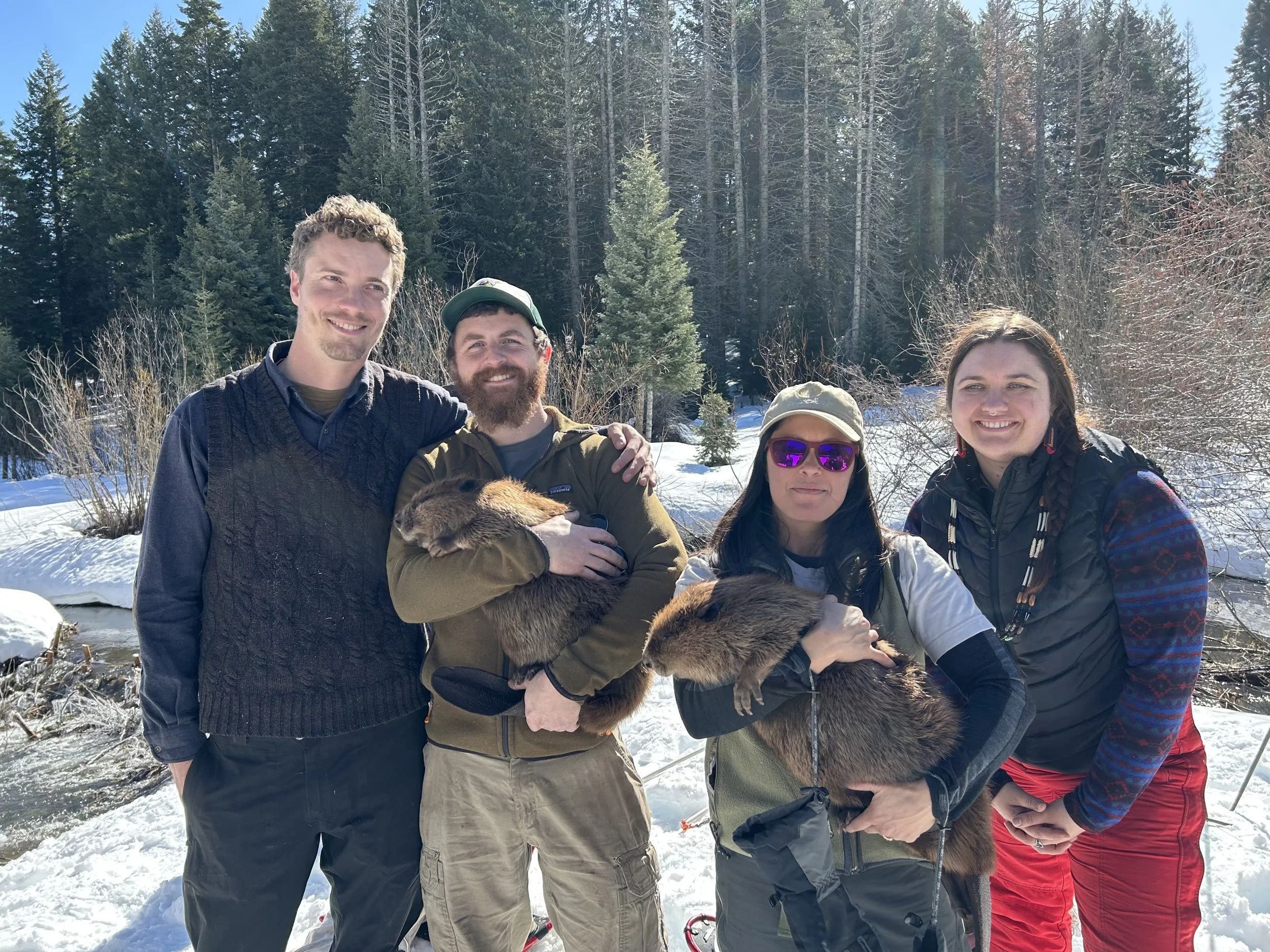
This year, we helped release a rescued family of beavers—and we’re delighted to report they have made a home nearby! We worked hand-in-hand with BLM biologists and local nonprofits to monitor the rare Klamath Mardon Skipper butterfly, partnered with the Klamath Bird Observatory to track shifts in bird communities, and expanded our pollinator and riparian habitat restoration.
🤲 Community, Culture & Education
This year, we were honored to host gatherings that celebrate culture, art, and shared stewardship, healing human relationships and land together:
Camas y Comunidad, in collaboration with Coalición Fortaleza, honored traditional foods, bilingual learning, and sparked new collaborations for 2026.
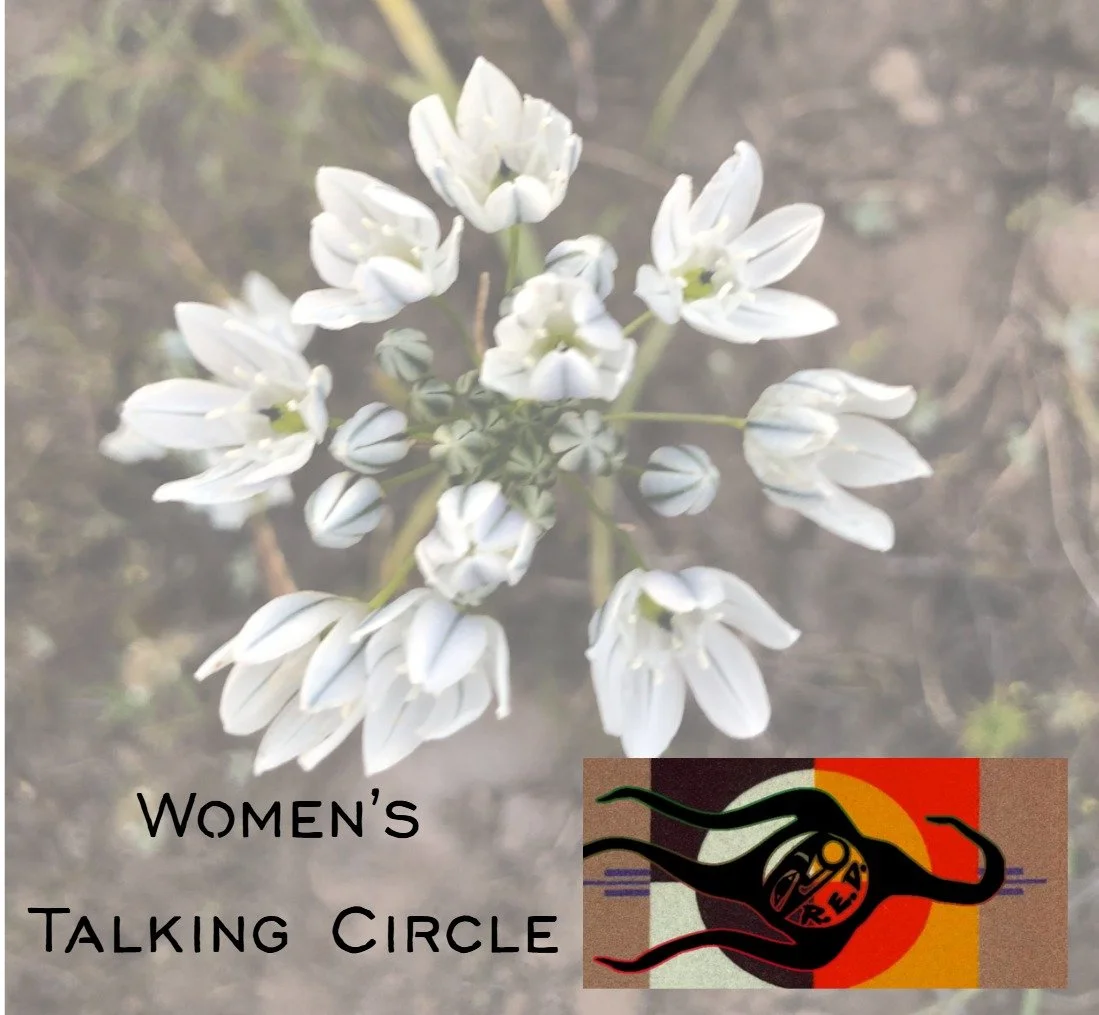
We supported Acorn Camp with the Indigenous Gardens Network, and hosted a women’s talking circle with Red Earth Descendants—spaces where deep listening and connection rooted the work in community. Thanks to support from Meyer Memorial Trust
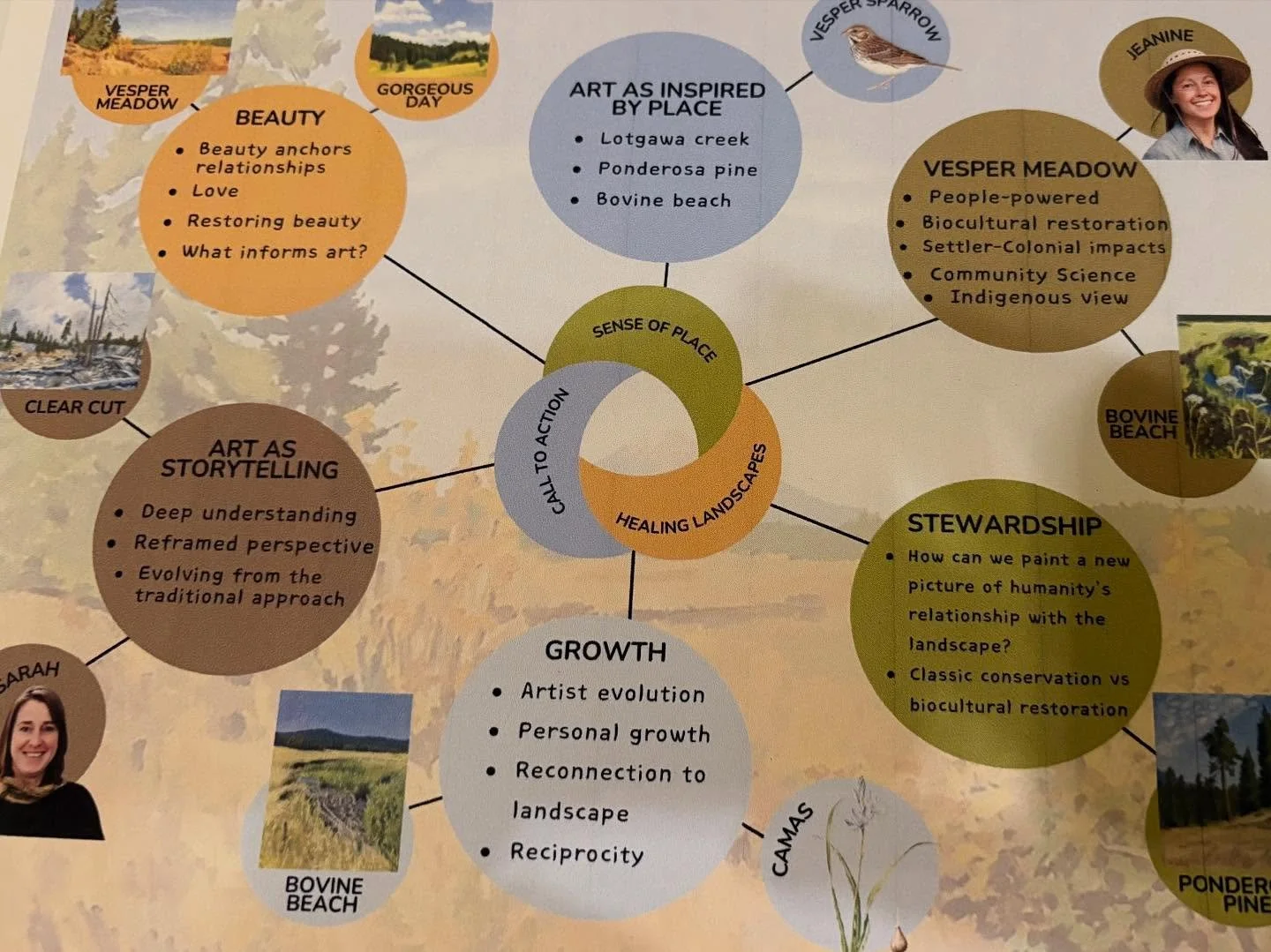
Launched a new initiative, Art for What Comes Next, engaging artists as ambassadors for the restorative work at Vesper Meadow, showcasing how it has informed their work and engaging the community in visioning and “painting the picture” of a better world.
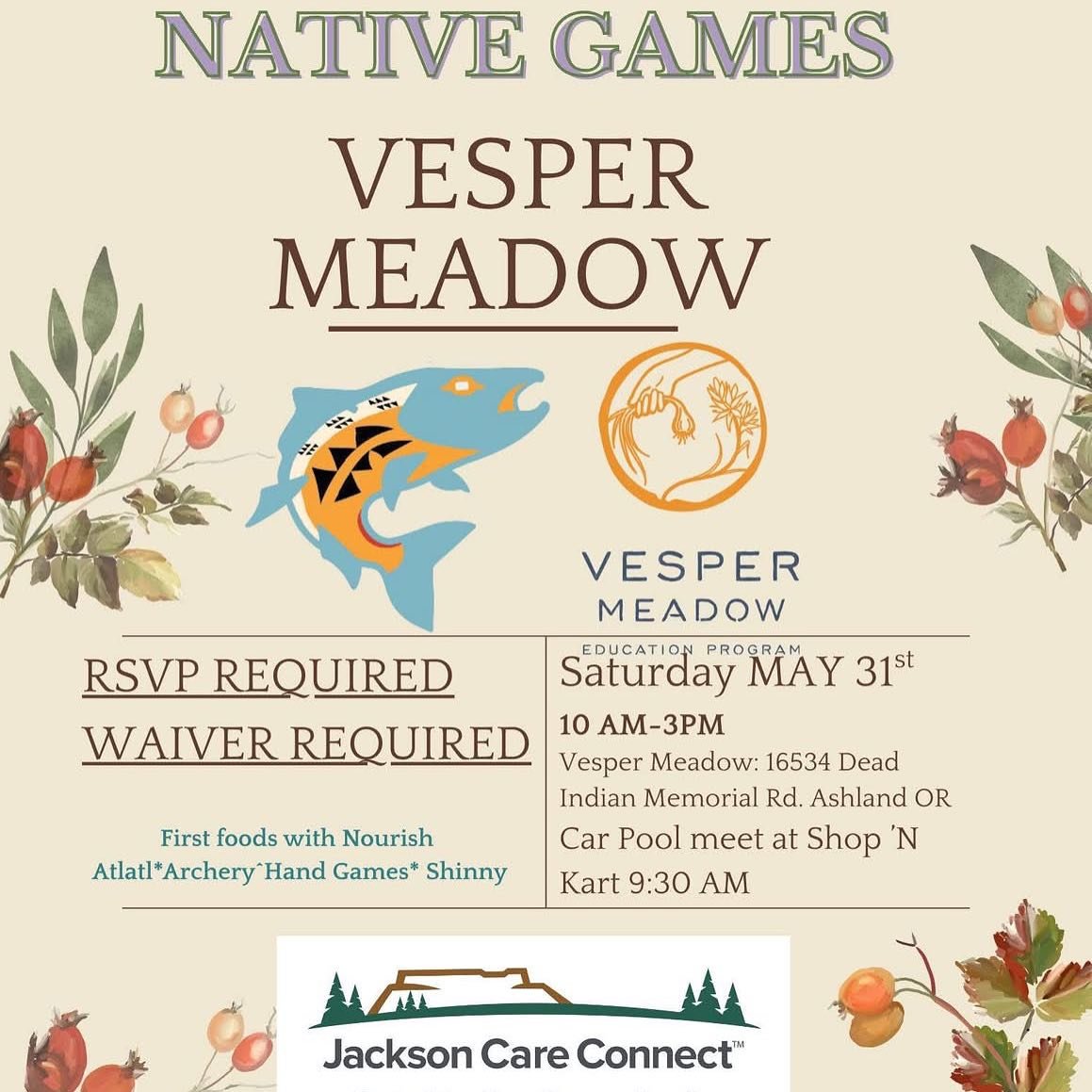
We held dozens of K-college school field trips with our partners at The Crest, hosted the annual Native Games Event for local Native youth through the Southern Oregon Education Service District, and shared our Fire Ecology and Human Relationship Curriculum with educators across the region.
2025 Community Events Calendar Log
Throughout 2025, Vesper Meadow hosted a rich array of events — from educators and students to artists, volunteers, and indigenous-led circles. Here are some of the highlights:
Early spring – education & orientation
March 20: “Training workshop: Fire Ecology and the Human Relationship” via Zoom, engaging educators in curriculum around fire ecology, indigenous knowledge and restoration.
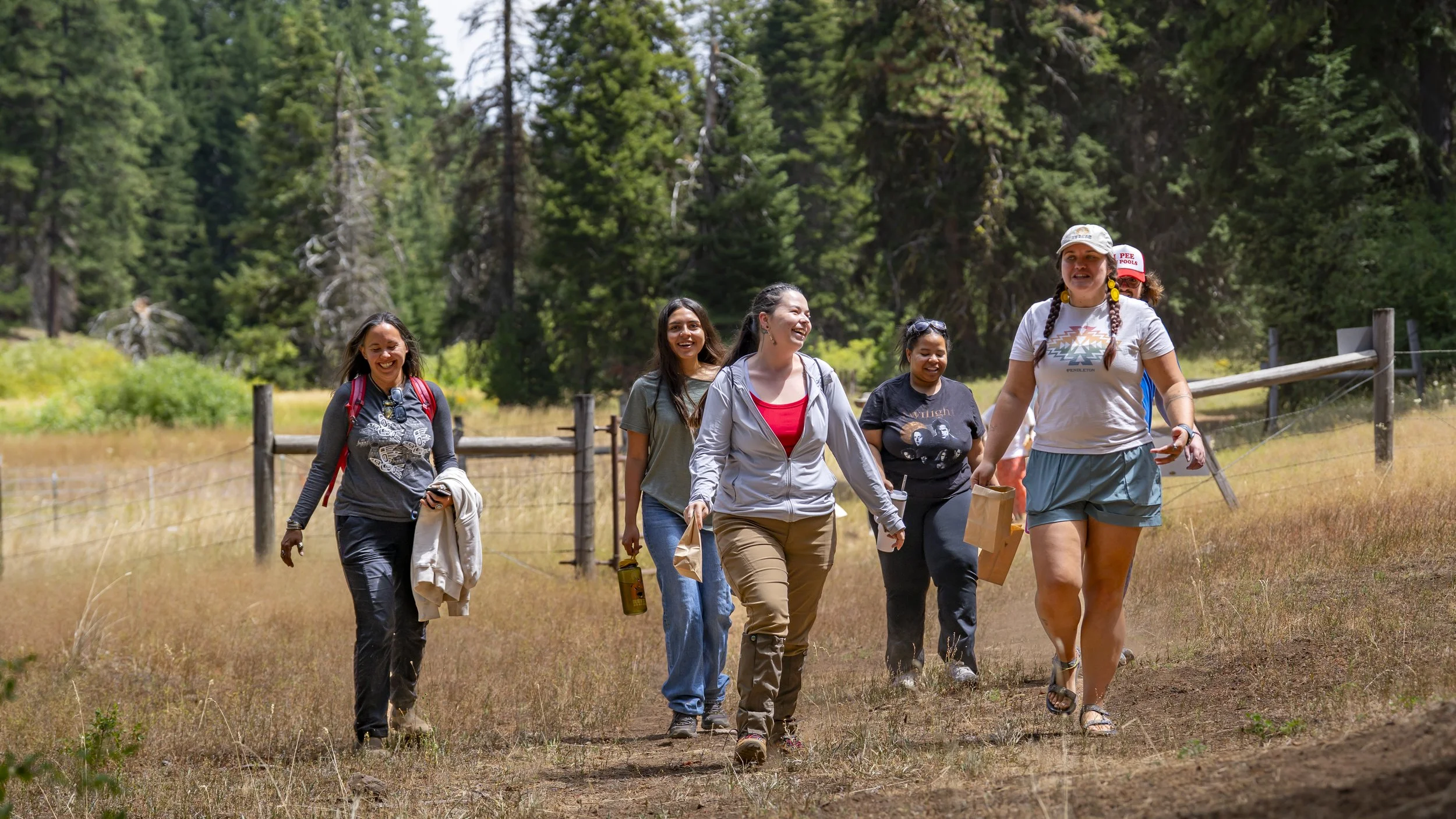
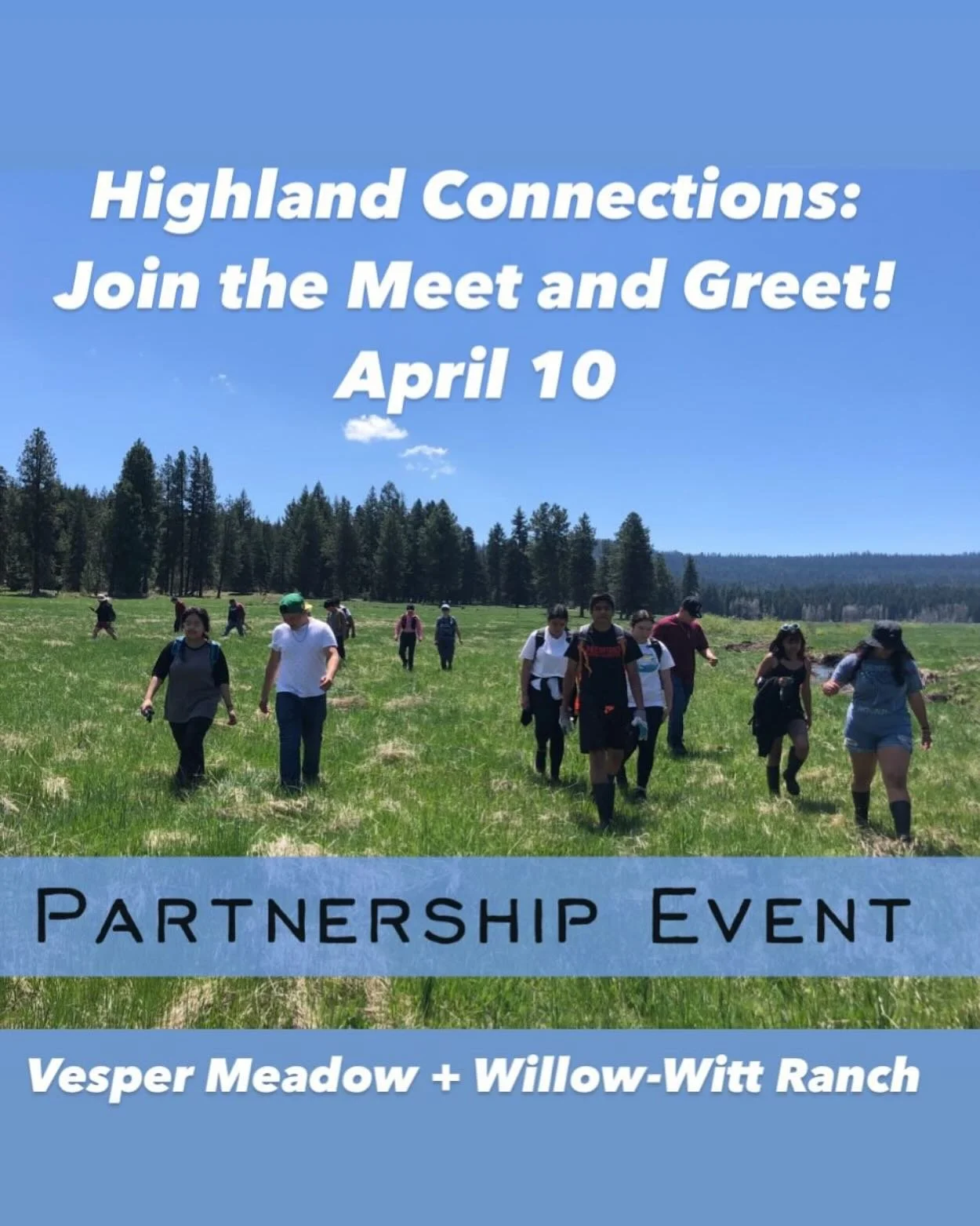
April 10: “Highland Tour: Meet & Greet for partner organizations and educators” — an open-house day with walking tours, brown-bag picnic, and introductions to the land and programs.
April 25: Celebrated Earth Day at ScienceWorks Hands‑On Museum with hands-on activities and vendor engagements, connecting the public to sustainability themes.
Late spring – healing, culture, youth
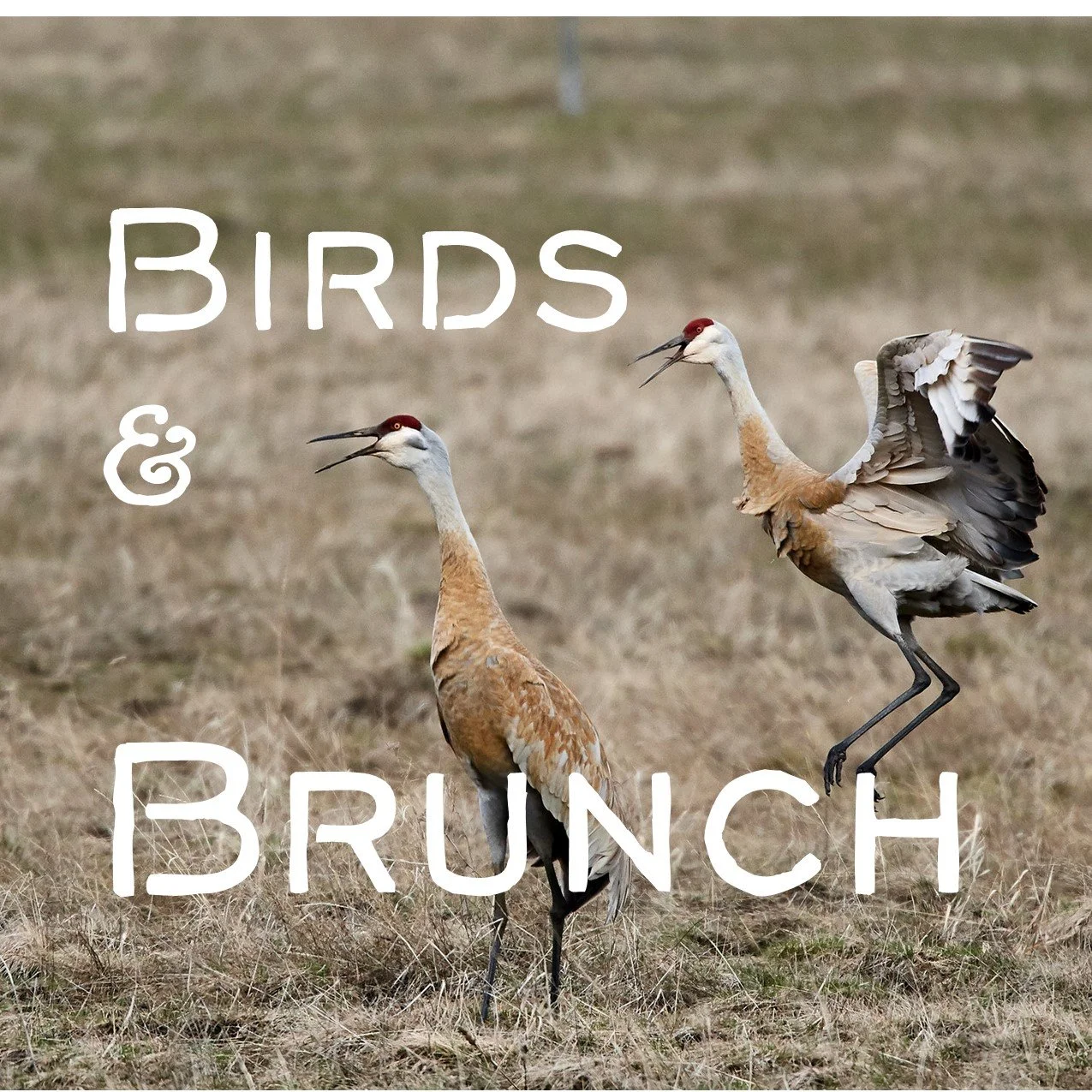
May 7: “Birds and Brunch” — a bird-walk through the meadow followed by brunch, focusing on local avifauna like sandhill cranes, hermit warblers and other species that rely on meadow habitat.
May 18: “Camas y Comunidad: a day with Madre Tierra” — a family-friendly gathering with Coalición Fortaleza, bringing together sun, land, culture and community.
May 24: Two events: “Healing Landscapes with Red Earth Descendants” (a native plant identification walk + potluck) and a “Mardon Skipper Meadow Tour” in partnership with Friends of the Cascade‑Siskiyou National Monument.
May 31: “Native Games with Southern Oregon Indian Education District (SOIESD) families — the meadow became a place of youth, play, land connection and cultural expression.
Summer – art, seed collection & community science
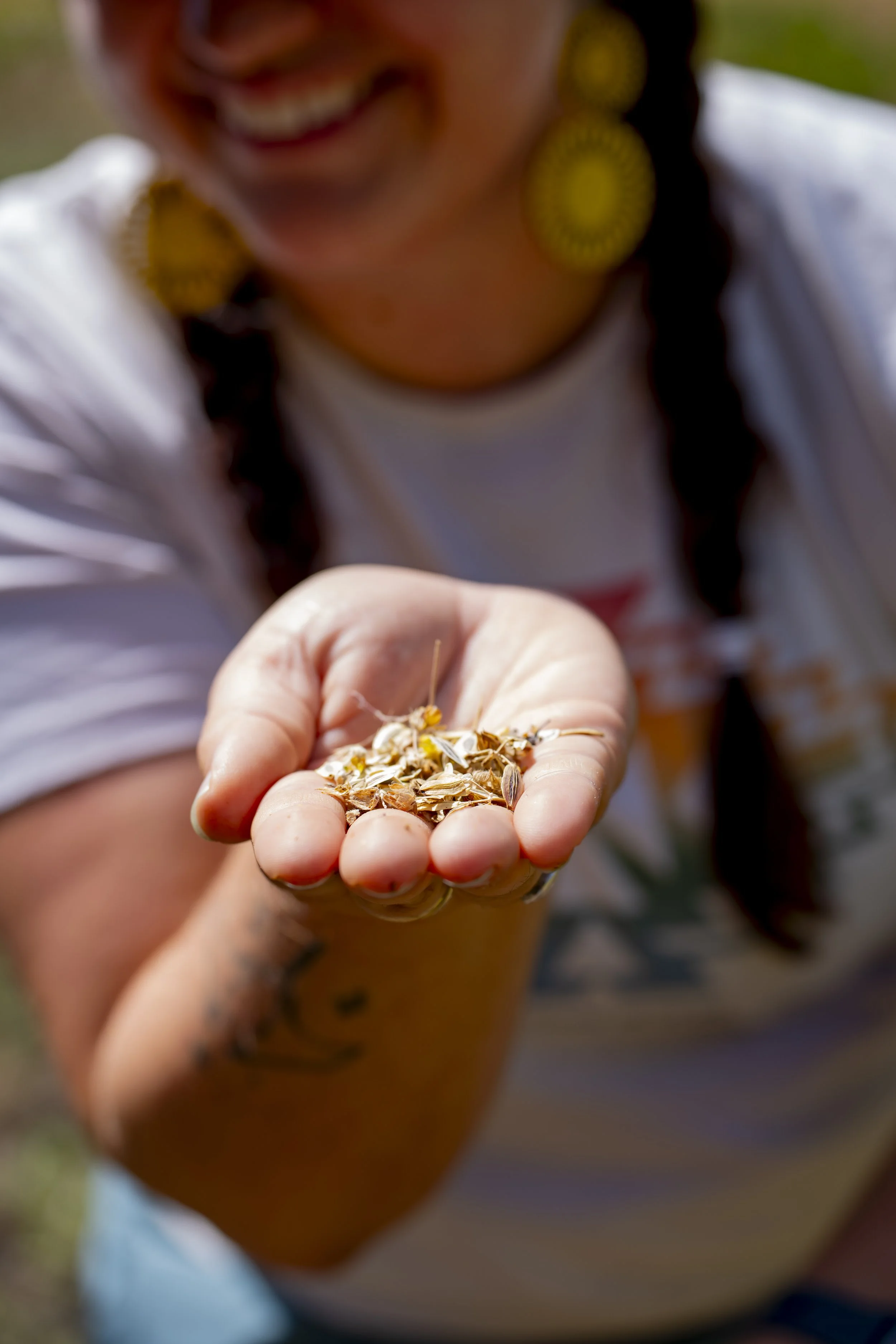
June 26: “Seed Collection Walk for Mardon Skipper Habitat” — combining wildflower season, volunteer seed collection and awareness of sensitive meadow species.
June 28: “Mindfulness and Meadow Restoration” — a healing-landscapes form of engagement, where land restoration and personal renewal are intertwined.
July 9: “Meadow as Muse: Golden Hour Art Meet Up” — artists, writers and creatives gathered in the meadow at dusk for inspiration alongside nature.
July 14: “First Foods Restoration: native seed collection” — focusing on native plants used historically and culturally as foods, engaging volunteers in collecting seeds by hand.
July 24: “Gathering the Seeds of Change: native plant habitat restoration” with partner Verdant Phoenix, bringing in Indigenous gardening perspectives.
July 31: “A Beaver, Butterfly, and a Lily” — a storytelling evening in Ashland Public Library: tales of beavers returning to creeks, the rare Mardon Skipper butterfly, and camas lilies waiting for care.
Autumn – Gathering, celebration & stewardship
September 13: “Women’s Talking Circle with Red Earth Descendants” — a cultural gathering open to women-bodied people or those identifying as women, bringing land, community and sharing into circle.
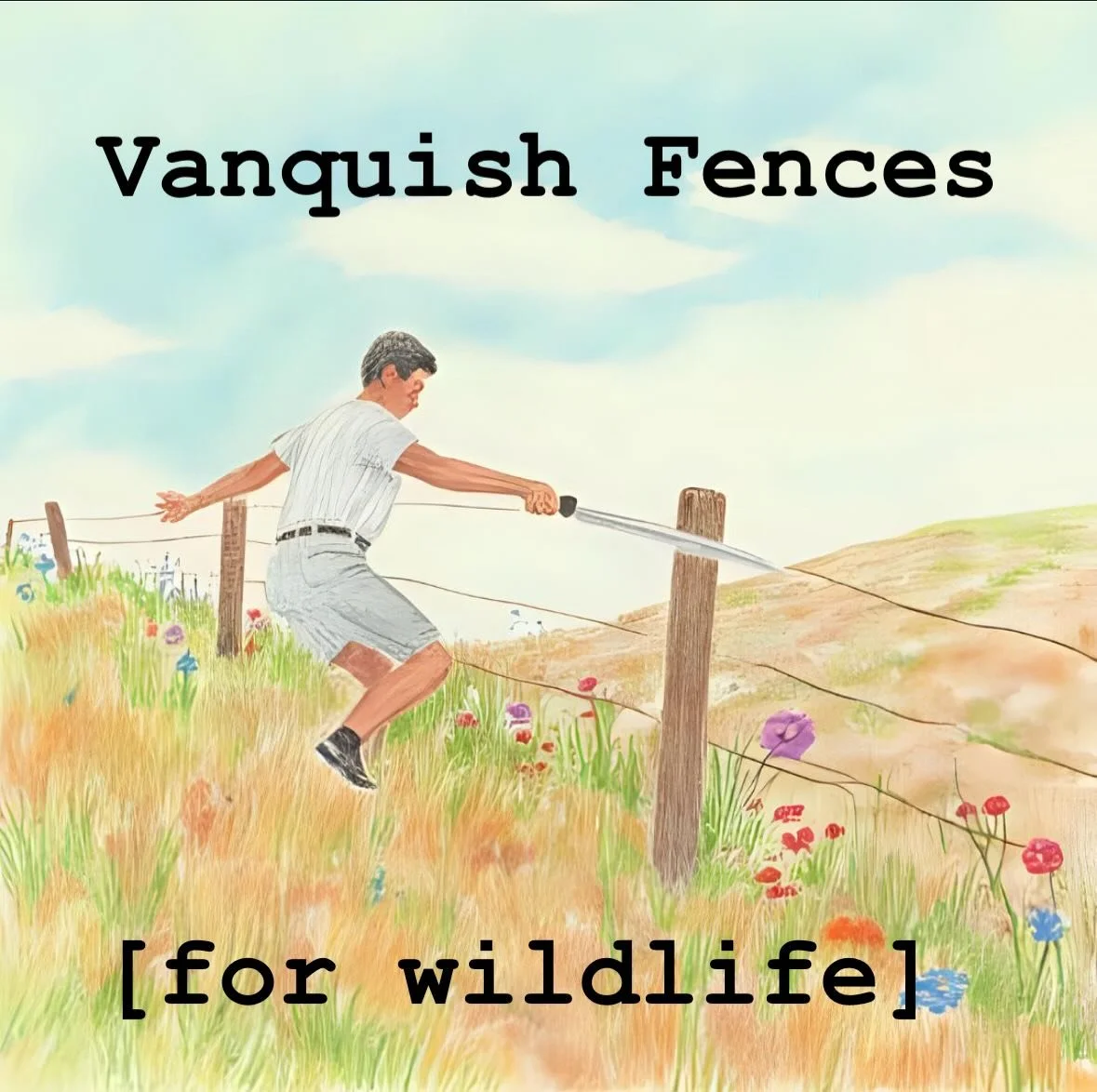
September 24: “Vanquish Fences – fence removal for wildlife” — the meadow and partner organization Southern Oregon Land Conservancy led two sessions of volunteers removing old fencing to reconnect habitat.
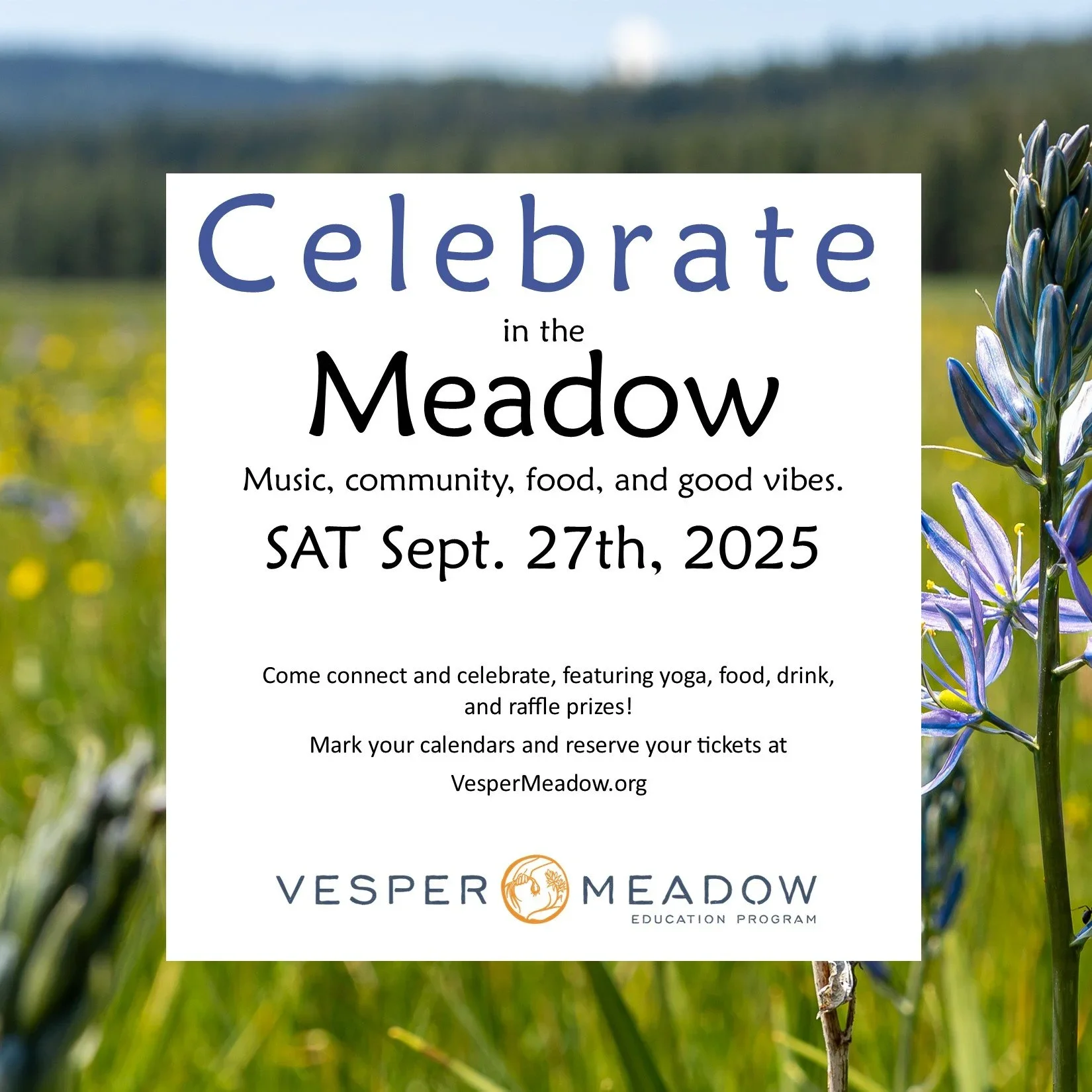
September 27: “Celebrate in the Meadow” — a day to mark 6 years of meadow restoration, community building and you! Food, music (with artists like Alice Di Micele and Lara Olamina), garden walks, and connecting with the meadow in early-autumn.
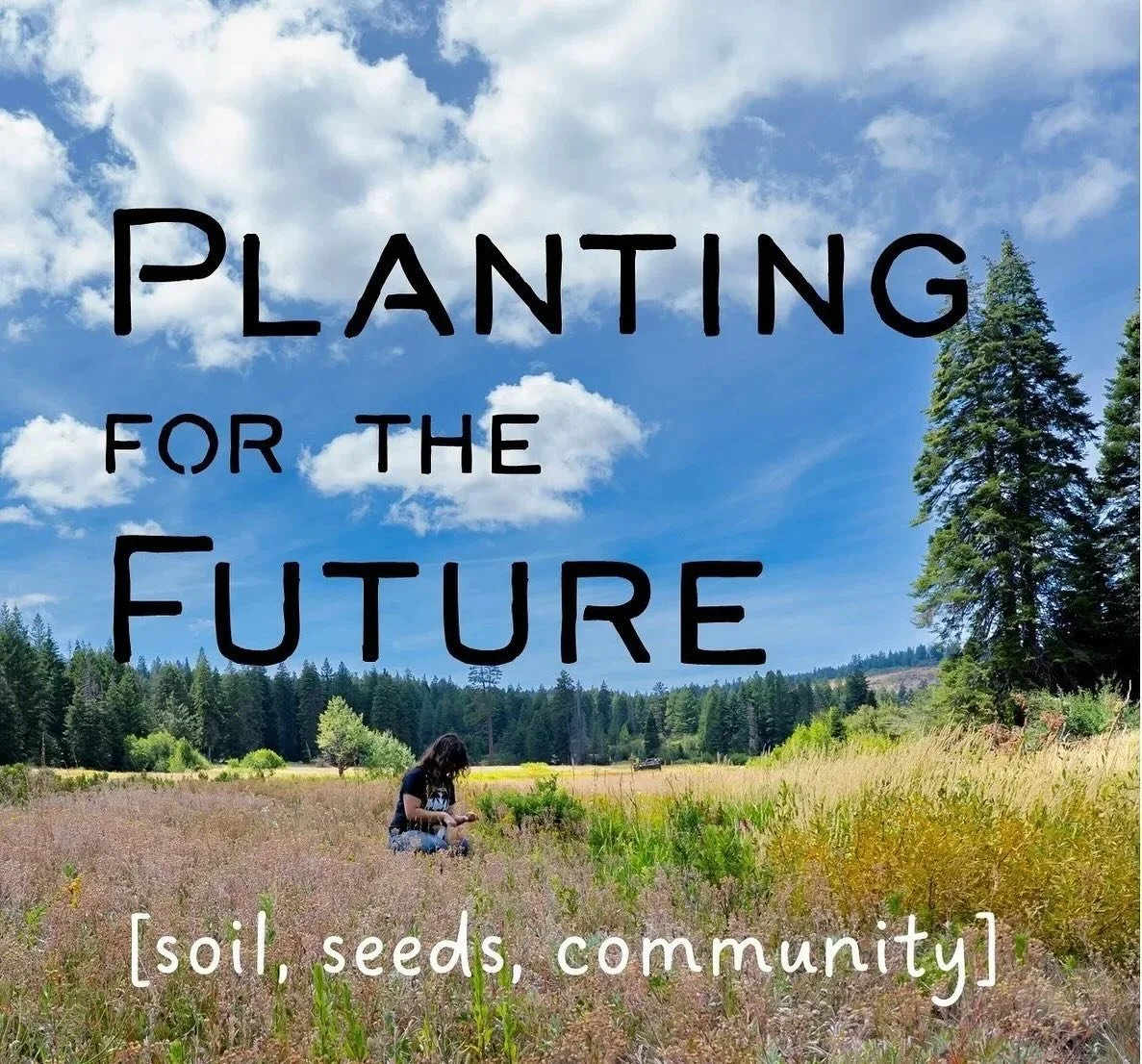
October 2: “Planting for the Future” — in collaboration with Cultivate Oregon and the Jackson County Soil & Water Conservation District, volunteers helped prepare seeding areas for next-year native plants.
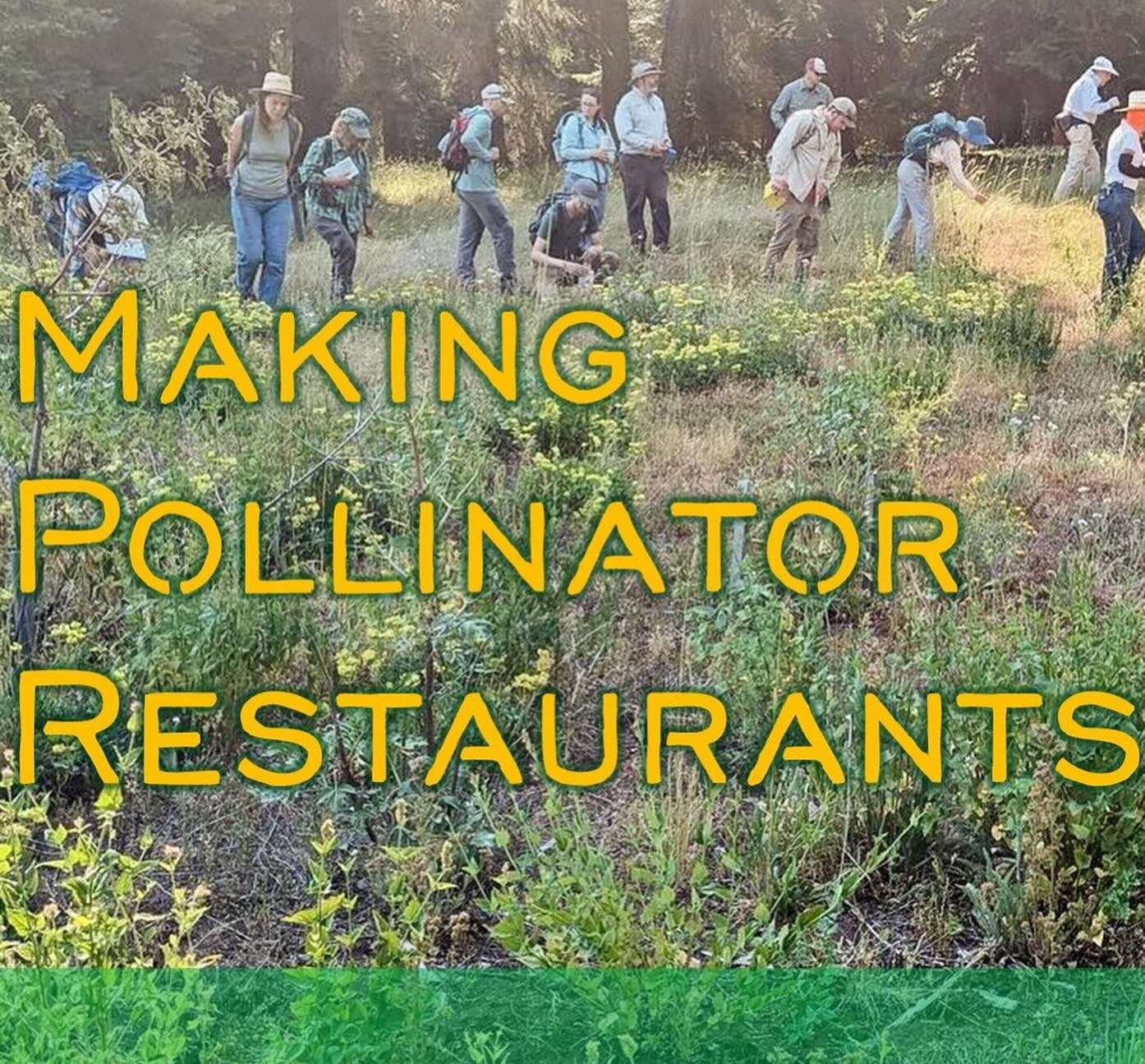
October 16: “Making Pollinator Restaurants – volunteers seeded the meadow and helped in shaping the future meadow habitat for pollinators, and reminding us that restoration is an ongoing process
Reflections & Moving Forward
2025 at Vesper Meadow felt like a convergence: of ecological restoration, cultural resurgence, volunteer enthusiasm, art and land-healing. A few themes emerged:
People + Place: The year emphasized that restoration isn’t just about plants and wildlife — it’s about building relationships between community, culture and landscape. Whether through talking circles, youth native-games or art meet-ups, the human dimension was front and center.
Species & Habitat: Targeted efforts for species like the Klamath Mardon Skipper butterfly, and bridging hydrology, seed collection and fencing removal show that restoration can be specific and systemic at once.
Cross-disciplinary collaboration: From educational workshops (for teachers), to art & nature events, to collaborations with Tribes and partner organizations — the work transcended a single approach.
Ongoing work: The “Planting for the Future” and “Making Pollinator Restaurants” events remind us restoration is not a one-and-done moment, but a repeating cycle of care, sowing, watching, and repeating.
In 2026 we are looking forward to more youth-centered education programs, deeper connections with Indigenous land-stewardship knowledge, monitoring and celebrating indicator species, and continuing to grow Vesper Meadow as a demonstration site for restoration of native species habitat and as a community gathering place.