
Engagement and Education: Vesper Meadow invites diverse audiences in restoration actions
2024 Update: Interview with Stasie, Indigenous Partnerships Program Manager
Jeanine: Stasie, your role at the Vesper Meadow Education Program is unique when compared to other regional nonprofit organizations. Can you share how the role sets Vesper Meadow apart from other conservation and advocacy positions in the region?
Stasie: Certainly. What makes my role unique is the ability to incorporate an Indigenous worldview in our restoration work. Beyond addressing ecological concerns, I aim to shift how we think about the land—viewing it not as a resource to manage but as a relative to care for. This perspective, rooted in many Indigenous cultures, invites us to slow down, practice self-awareness, and engage with the land and each other in a more holistic way.
For example, during volunteer days, I’ve started integrating mindfulness practices like walking meditations. These moments allow participants to truly connect with the ecosystems they’re supporting. One volunteer shared how this practice helped him notice the subtle growth in a restored area, deepening his appreciation for the plants and reducing his stress. It’s these shifts in perspective that make a lasting impact.
J: How do you see your work impacting the community?
S: One of the most rewarding aspects of this position is seeing how Indigenous worldviews resonate with people. Over the past two years, I’ve noticed that sharing this perspective—contrasting it with a Western worldview—has inspired people to think differently about their relationship with nature and their actions’ impacts. This year, I’ve also been able to formalize tools for better engagement between local conservation leaders and Native / Tribal communities. .We hosted two educational workshops for local non-profits on how to build better partnerships with Tribal communities and created a Best Practices document for local conservation leaders.
Additionally, working with youth has been a highlight. I often call it the “slow-fast road” because while it takes time to nurture these relationships, the long-term benefits are profound. Seeing kids grow up visiting Vesper Meadow, participating in the transformation of the landscape, and realizing their role in the community. It gives me so much hope for the future.
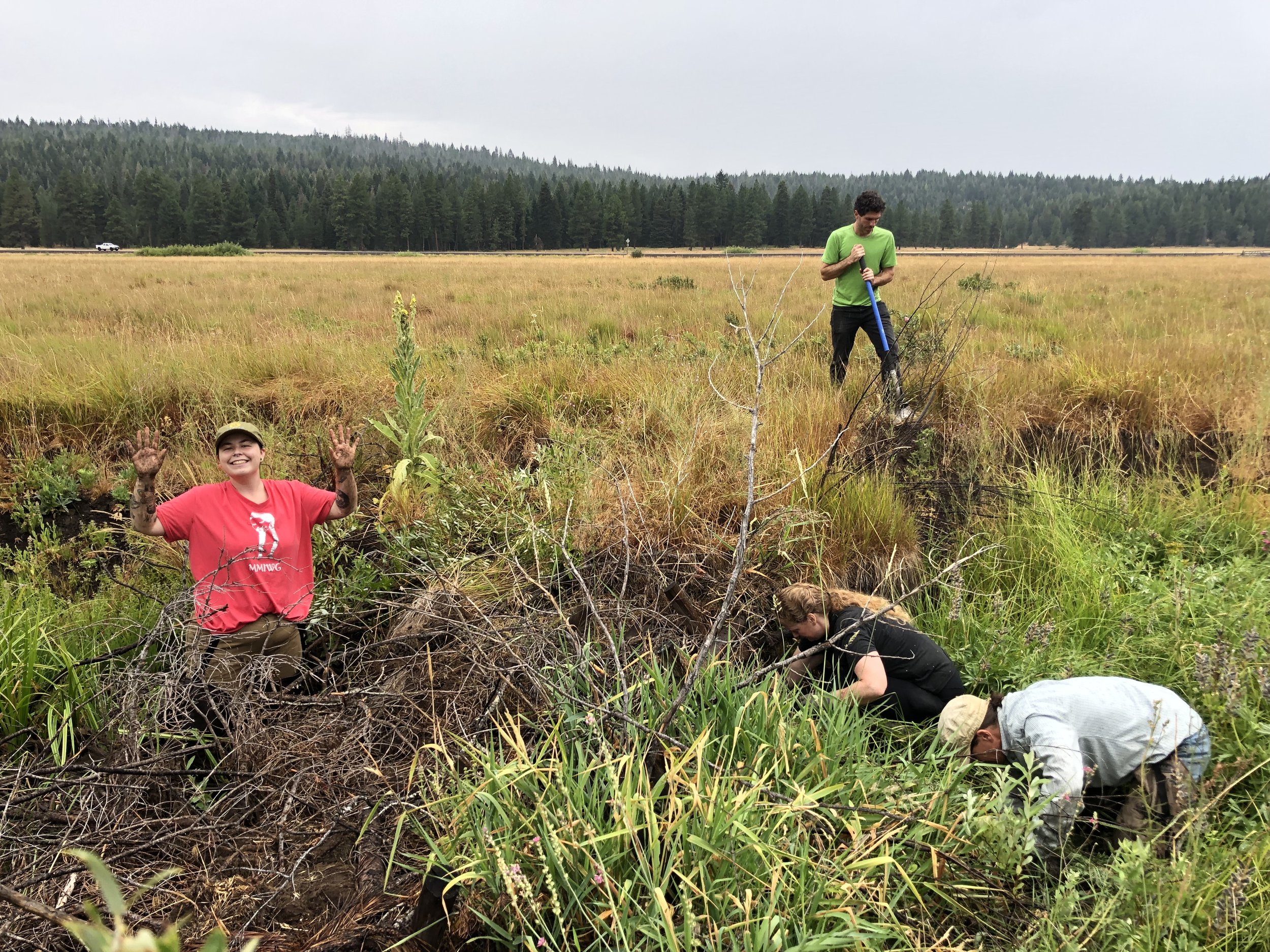
Healing Landscapes Intern, Aiyanna Brown, leading community members with engaging in Low-Tech Process Based Restoration structures during a partnership day with Red Earth Descendants.
J: Can you share a meaningful moment or two from this year?
Stasie: Happily. The first one that comes to mind is having been able to witness and support our Tribal partners from the Indigenous Gardens Network come down for Camas camp (hosted at the land now known as the Vesper Meadow Restoration Preserve); as a native person myself, not on my own homelands, the entire experience was emotional, powerful, joyful, transformative, healing, and deeply meaningful. There is a quote in Indian Country that, “when we heal ourselves, we heal our ancestors.” Personally, I believe that the ancestors of those descendants were also rejoicing to once again have their people engaging on the land and cooking Camas on their homelands as it has been done for thousands of years prior to removal.
Another moment that stands out was during a seed-collecting event in early summer. A group of students who’ve been coming to Vesper Meadow for years reflected on how the meadow has changed—and how they’ve helped restore it. One youth, who initially seemed restless, became deeply engrossed in the careful work of collecting seeds. His joy and curiosity were contagious, and watching him treat the plants as relatives reminded me why this work is so important.
J: What are some of the highlights from the last two years of the Healing Landscapes Program?
S: Gosh, so many wonderful aspects to share. From 2023 to 2024, we deepened our relationships with Indigenous-led local organizations Red Earth Descendants and Southern Oregon Education District Indian Ed programs and started new partnerships with Coalicion Fortaleza and Rogue Action Center.
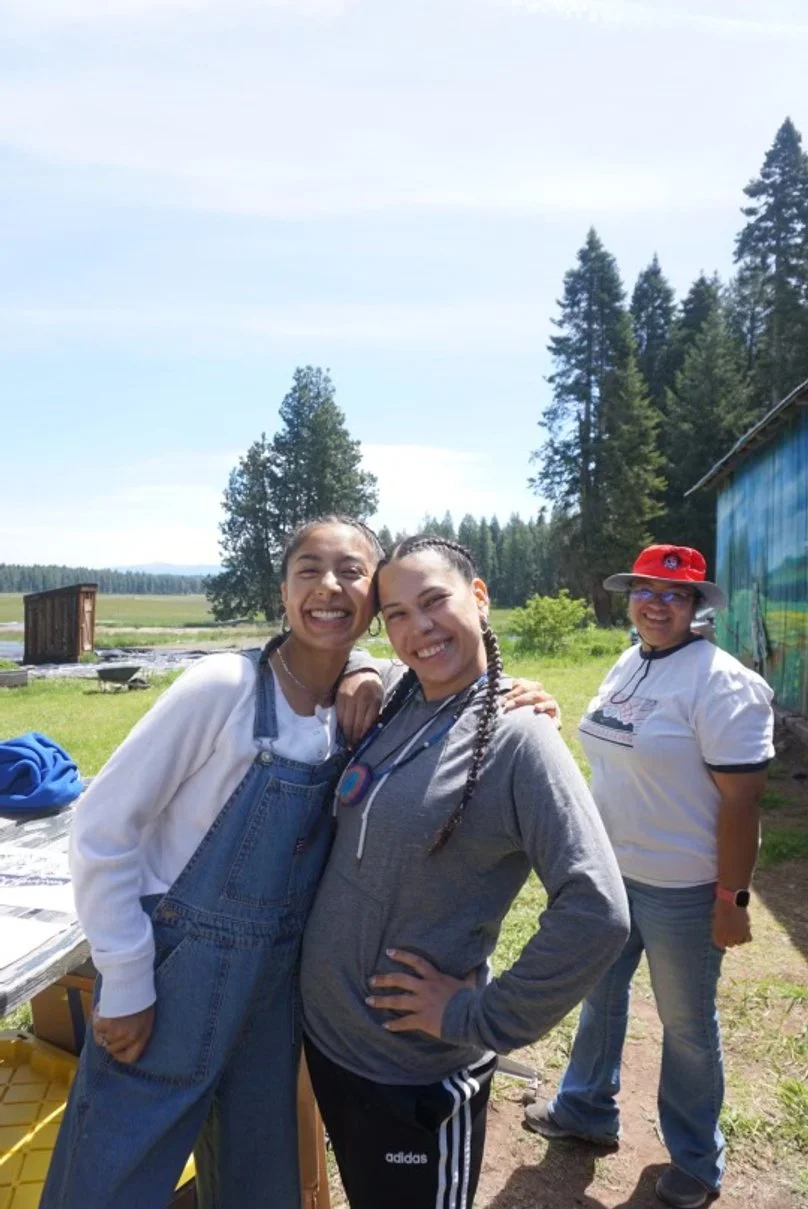
Staff from Coalicion Fortaleza have a day at Vesper Meadow Restoration Preserve and support with screen printing tote bags for our Tribal partners at the Indigenous Gardens Network
In 2024, we held our first Healing Landscapes Internship position, in which we mentored Siletz Tribal Member Aiyanna Brown in community programming and native plant restoration strategies. She organized the first Queer Indigenous day at Vesper Meadow Restoration Preserve and supported volunteer events. We continued partnerships with Ashland High School, LOGOS and Cascades Academy, sharing Indigenous worldviews and values with youth doing hands-on activities and research in the meadow.
J: What are you looking forward to in 2025 for the Healing Landscapes program?
S: One of the aspects of the program that many spoke to in survey feedback was the “slowing down” or “moving at the speed of relationship” aspect of Indigenous worldview. I look forward to continuing to weave in moments of mindfulness, quiet, and self-reflection into meadow tours and volunteer days so we can really being in community with the diversity of life that is around us at the meadow all the time!
If people are interested in getting involved, sign up for our newsletter to watch for 2025 Healing Landscape days at the meadow. If you are feeling inspired to see more of this work, consider making a donation to support our 2024 year-end fundraising campaign: